

News
The Nature, The Future
What You Need to Know About Natural Colors…
Release time:
22-08-12 10:33:29
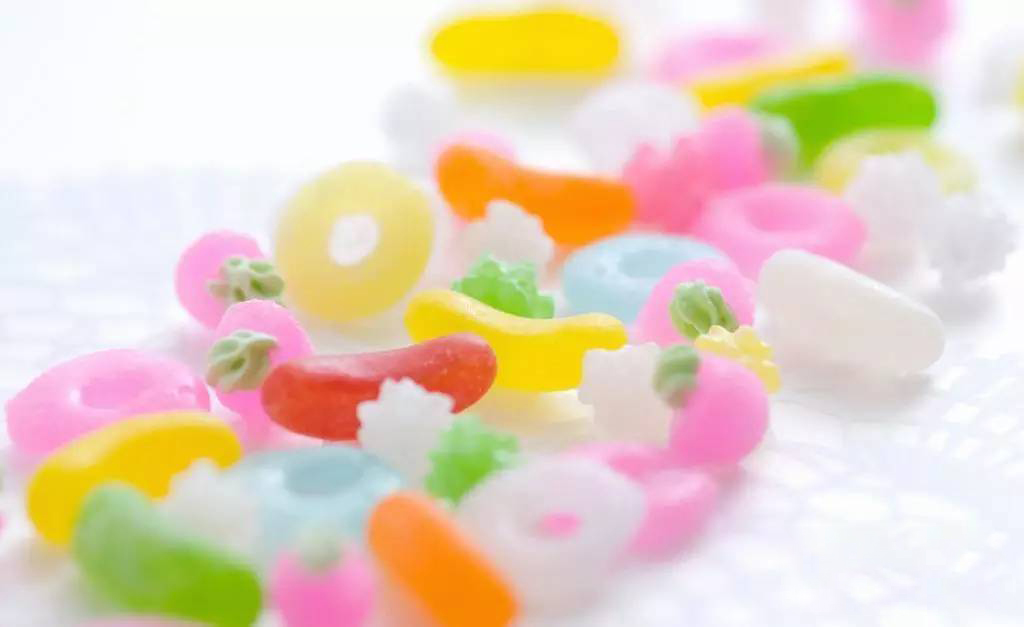
Dyeing cake batter, cream cream and dough in baking can help reflect personality and style. With the help of coloring, the rainbow cake is amazing, the red velvet cake looks so enthusiastic, and the gradient cake is exceptionally wonderful. But you often don't know which pigments are healthy and harmless, how to use them correctly, and so on.

Dyeing cake batter, buttercream, and dough in baking can help express character and style.
With the help of coloring, the rainbow cake is amazing, the red velvet cake looks so warm, and the ombré cake is amazing.
But you often don't know which pigments are healthy and harmless, how to use them correctly and so on.
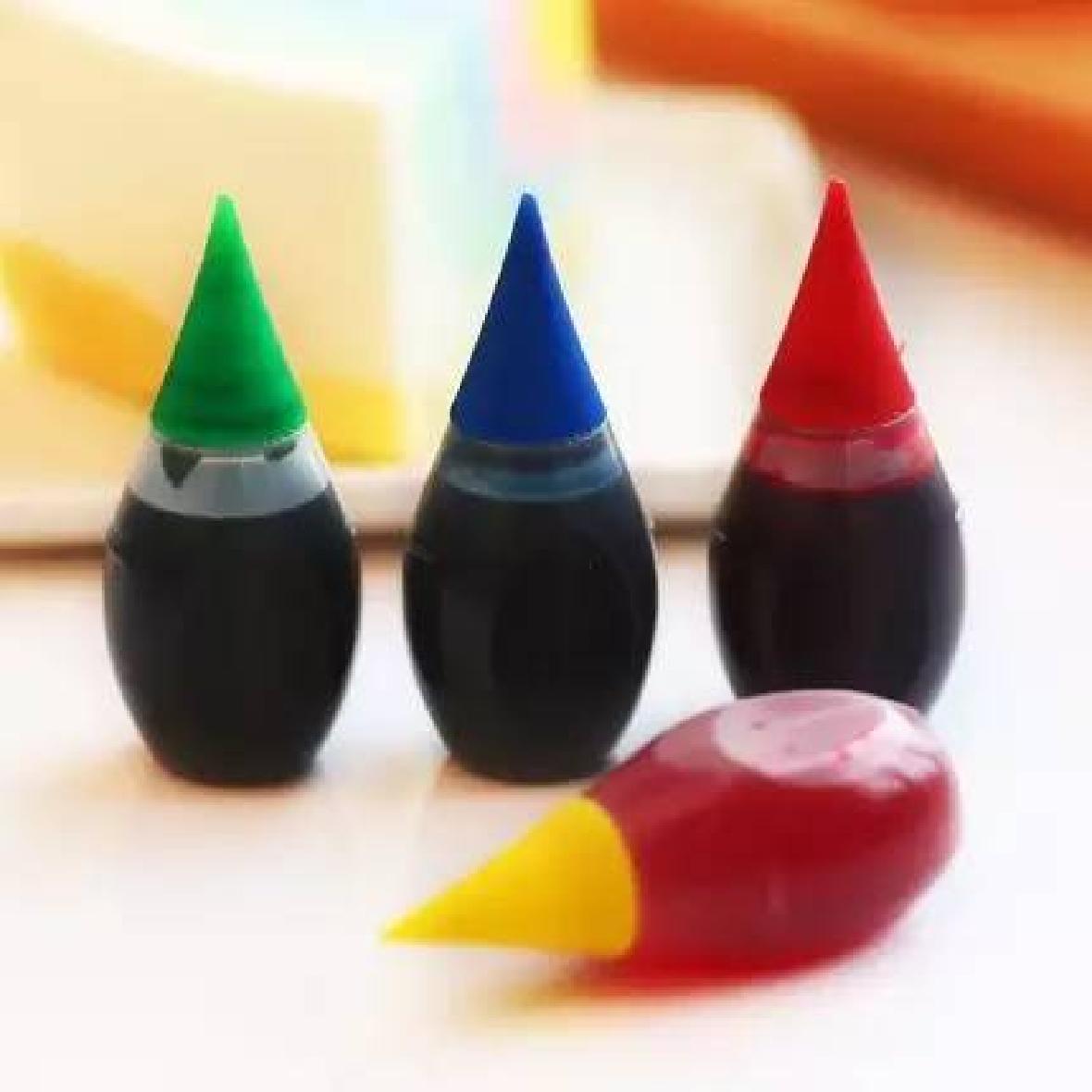
food coloring
Food coloring is a kind of coloring, that is, a food additive that can be eaten in moderation and can change the original color of food to a certain extent.
Like food flavors, food colorings are divided into two types: natural and synthetic. Among them, natural pigments are non-toxic to human body and have high safety.
Natural colouring
Natural colors are food colorings obtained from natural sources. Pigments mainly extracted from animal and plant tissues and microorganisms (cultures), of which plant colorants are the majority.
Natural pigments not only have the function of coloring food, but also a considerable part of natural pigments have physiological activity.
Cold knowledge you don't know
1. China is currently the country that allows the use of the most natural pigments in the world.
2. Natural pigments can better imitate the color of natural objects, and the color tone when coloring is more natural.
3. Some varieties of natural pigments have a special aromatic smell, which can bring a pleasant feeling to people when added to food.
4. The cost of natural pigments is high, and the fastness is poor. Strong acid and alkali, high temperature, light, etc. will affect its stability.
5. There are many impurities in natural pigments, which is prone to precipitation when used.
6. Natural pigments are not easy to be dyed evenly, and it is difficult to adjust any color tone by yourself.
Choice of natural pigments
Which are the common natural pigments that can be used in appropriate amounts in various foods according to production needs:
Beetroot Red, Sorghum Red, Citrus Yellow
Which are the common natural colors in baked goods:
Beet red, sorghum red, citrus yellow, turmeric, sodium copper chlorophyll, cochineal red, annatto, grape skin red, gardenia blue, etc.
Which are the common natural colors in pastries:
Beet red, sorghum red, citrus yellow, turmeric, sodium copper chlorophyll, cochineal red, annatto, grape skin red, gardenia blue, vegetable charcoal black, radish red, grape skin, gardenia yellow, cocoa shell color , Chili Red, Gardenia Blue, Chili Orange, Monascus Red, Monascus Yellow.
Which are the common natural colors in cookies:
Beet red, sorghum red, citrus yellow, turmeric, sodium copper chlorophyll, cochineal red, annatto, grape skin red, gardenia blue, monascus red, caramel color, cocoa shell color, chili orange, chili red, chlorophyll Copper sodium salt, vegetable carbon black, gardenia yellow.
What are the common natural colors for baked food fillings and surface pastes:
Beet red, sorghum red, citrus yellow, turmeric, sodium copper chlorophyll, cochineal red, annatto, grape skin red, gardenia blue, monascus red, cocoa shell color, chili orange, chili red, gardenia yellow, Gardenia blue, caramel color.
Proper storage of natural pigments
1. Generally, it is stored in a sealed bottle. Use a warm damp cloth to wipe the mucus flowing out of the sealed bottle. Then, make sure the cap of the bottle is screwed on, be sure to seal it properly, and don't let the color of the pigment drip on the cupboard or other places.
2. After tightening the cap, hold the bottle upside down to see if any food coloring is missing. If the sealing effect of the bottle cap is not good, it may also affect the preservation effect.
3. Store the sealed food coloring in a dry and dark place. In order to avoid the inconvenience caused by the omission of the coloring, it is best to put a layer of cardboard on the place where the sealed bottle of the coloring is placed, or store it in a carton.
Key words:
Contact Information
4/F, Building 3 (2# Factory Building), 247 Dingwan Road 6, Sanzao Town, Jinwan District, Zhuhai City
412331965
Focus on us
Welcome to our official public number.
Online message
SAF Coolest v1.3.1.2 设置面板 ZBRSD-ZMRF-AASVE-AAD
无数据提示
Sorry, the current column is being updated, please look forward to it!
You can view other columns or returnHome Page