

News
The Nature, The Future
Natural Colors in Common Foods You Need to Know
Release time:
22-08-12 10:33:10
The natural pigment in food refers to the colored substance that can be felt by human vision in fresh food raw materials. Natural pigments can be divided into polyene pigments, phenolic pigments, pyrrole pigments, quinone pigments, etc. according to the chemical structure type. These substances have previously been extracted and used in color processing in food processing.

Natural coloring in food refers to the color in fresh food ingredients Colored substances that can be perceived by human vision. Natural pigments can be divided into polyene pigments, phenolic pigments, pyrrole pigments, quinone pigments, etc. according to the type of chemical structure. These substances have previously been extracted and used in the coloring process in food processing. However, recent studies have shown that these pigments can regulate physiological functions due to their special chemical groups, and may play an important role in the prevention of chronic diseases, which has gradually attracted attention.
Carotenoids
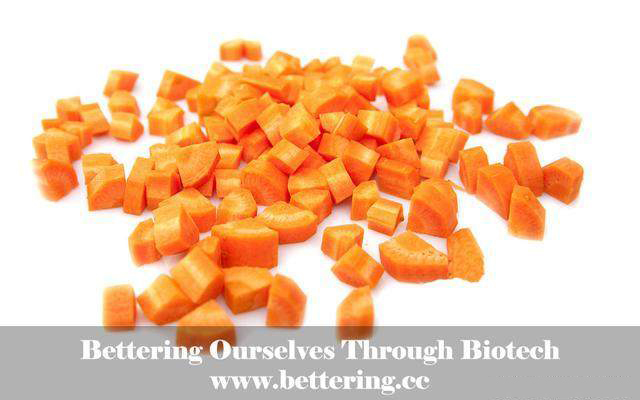
Carrots, sweet potatoes, pumpkins, oranges and other foods are rich in &beta ;-Carotene, mainly has the function of improving the nutritional status of vitamin A in the body; then it can play the same role as vitamin A in improving immunity, treating night blindness and preventing and treating xerophthalmia. In addition, β-carotene is also an important fat-soluble antioxidant in the body, which can scavenge singlet oxygen, hydroxyl radicals, superoxide radicals and peroxyl radicals, and improve the body's antioxidant capacity. Animal experiments have found that β-carotene has the effect of inhibiting the carcinogenic effect of chemicals, enhancing the function of macrophages and preventing the occurrence of cataracts.
Lycopene
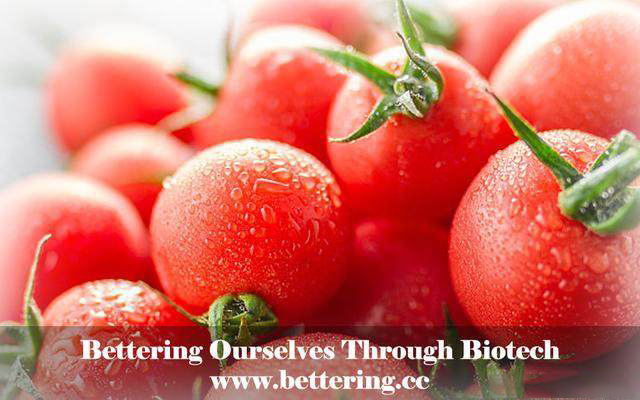
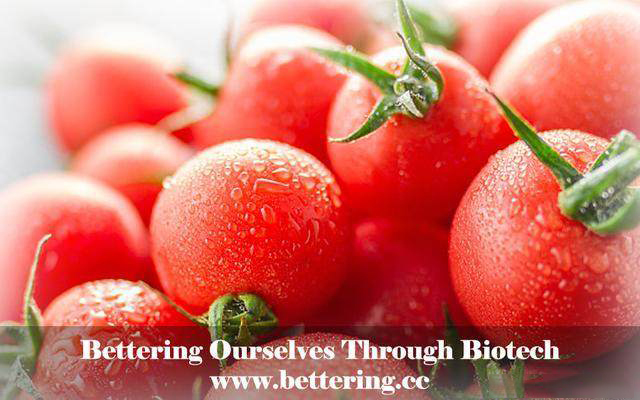
Lycopene is a natural dietary carotenoid. It is widely found in plants in nature, and the content of mature red plant fruits is high. Among them, tomato, carrot, watermelon, papaya and guava do have more lycopene, and various tissues and organs in the human body also have relatively high levels of lycopene. multiple distributions.
Main biological function:
Antioxidant, anti-aging: Lycopene is an effective antioxidant , can quench singlet oxygen and capture peroxide free radicals, prevent lipid peroxidation, and protect biofilms from free radical damage. Lycopene has a very strong ability to protect lymphocytes from cell membrane damage or cell death caused by nitric oxide, and its ability to scavenge oxygen free radicals is also stronger than other carotenoids.
Suppress tumors: Eating more vegetables and fruits can reduce the risk of certain cancers Risk, increased intake of lycopene can reduce the risk of gastrointestinal cancers such as esophageal, gastric, colon and rectal cancers. Lycopene also has a significant inhibitory effect on advanced and invasive prostate cancer.
Regulate blood lipids: Lycopene can through the antioxidant effect in the body, Prevent the oxidative damage of low-density lipoprotein cholesterol, improve blood lipid metabolism, and reduce the occurrence of atherosclerosis and coronary heart disease.
Radiation Resistant: Tomato red in the skin when UV rays hit the skin The lycopene is destroyed first, and the lycopene in the UV-irradiated skin is reduced by 31% to 46% compared with the unirradiated skin. Supplementation with lycopene may reduce peroxidative damage to the skin from UV light.
Phenolic pigments
Phenolic pigments that have been studied more in recent years include anthocyanin, flower yellow Su et al. Anthocyanins are an important class of water-soluble plant pigments, which are mostly combined with sugars in the form of glycosides (called anthocyanins). Anthoflavin usually refers to flavonoids and their derivatives, which are a class of water-soluble yellow substances widely distributed in flowers, fruits, stem and leaf cells of plants, and have similar chemical structures and physiological activities to the aforementioned phenolic compounds.
Curcumin
Curcumin is a polyphenolic phytochemical purified from turmeric It is widely used in Chinese and Indian herbal medicine to relieve discomfort. Historically, turmeric has been used to improve smooth muscle function and digestive function. Recently, the cytoprotective and immunomodulatory properties of curcumin have also become areas of great interest to the scientific community.
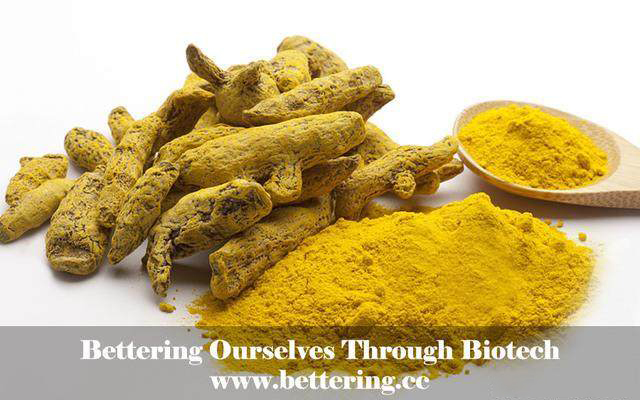
Immune Support and Antioxidant Activity: Research shows that curcumin has anti-inflammatory properties Oxidative activity, is an immune cell regulator, has inhibitory effects on COX-2, iNOS enzymes, TNF-α, IL, NF-kB, and is available for many clinical symptoms. Numerous animal and human studies support the health effects of curcumin in joints, gastrointestinal mucosa, and uvea. Research has shown that curcumin balances the immune responses of the nervous, cardiovascular, intestinal and respiratory systems. Nervous tissue is susceptible to oxidative stress due to its higher demand for oxygen, polyunsaturated fatty acids, and lower antioxidant protection. New research into brain and nerve health points to curcumin's protective effects. Typical doses in human studies ranged from 375 to 1200 mg/day.
Cell protection: In animal models, curcumin has been shown to Promotes proliferation of many normal cell lines. Mechanisms include curcumin regulation of certain types of cytokines (especially the transcription factor NF-kB), support for detoxification, free radical scavenging, support for cell induction and apoptosis. Typical doses in human experiments range from 450 to 3600 mg/d for 4 months.
Key words:

Contact Information
4/F, Building 3 (2# Factory Building), 247 Dingwan Road 6, Sanzao Town, Jinwan District, Zhuhai City
412331965
Focus on us
Welcome to our official public number.
Online message
SAF Coolest v1.3.1.2 设置面板 ZBRSD-ZMRF-AASVE-AAD
无数据提示
Sorry, the current column is being updated, please look forward to it!
You can view other columns or returnHome Page