

News
The Nature, The Future
Detailed knowledge of natural pigments and synthetic pigments
Release time:
22-08-12 10:33:16
The world is colorful because of the variety of colors. Just like beauties love makeup to make themselves look more polished. In the same way, when we eat food, we are required to have all the colors, aromas, and tastes, and put color first, because "color" can bring us a visual impact and have the urge to eat. It is precisely because of this impulse that we have the practice of adding pigments to food. When we enjoy these beautiful colors, we are also wondering whether these "beautiful colors" will "disaster the world" and worry about their safety.

The world is colorful because of the variety of colors. Just like beauties love makeup to make themselves look more polished. In the same way, when we eat food, we are required to have all the colors, aromas, and tastes, and put color first, because "color" can bring us a visual impact and have the urge to eat. It is precisely because of this impulse that we have the practice of adding pigments to food. When we enjoy these beautiful colors, we are also wondering whether these "beautiful colors" will "disaster the world" and worry about their safety.
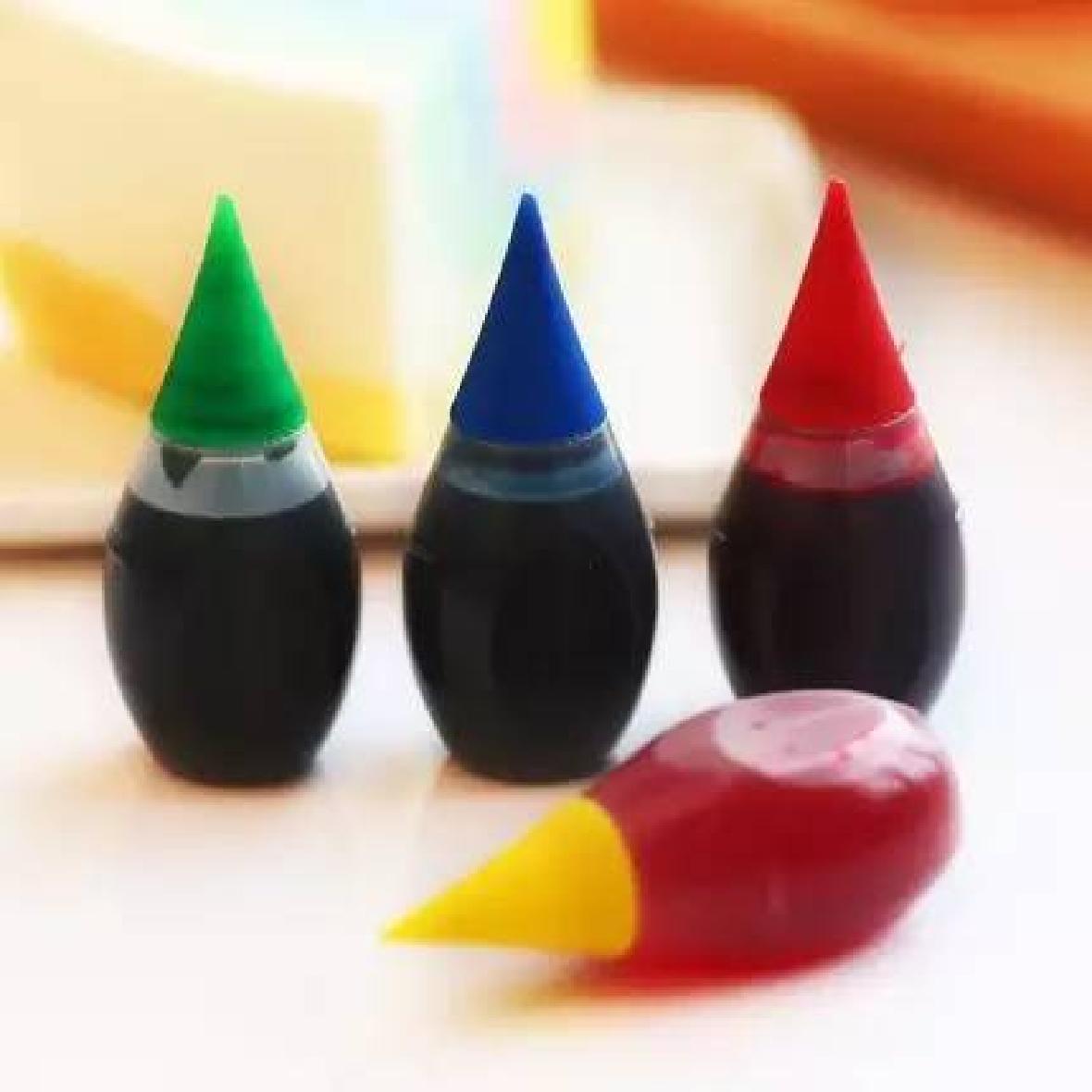
To know whether it is safe, we must first understand the pigments. In the "Standards for the Use of Food Additives (2011 Edition)", it is stipulated that colorants "are substances that impart color to food and improve the color of food", and colorants are pigments. The pigments in our food are divided into natural pigments and synthetic pigments.
What are the natural and synthetic pigments
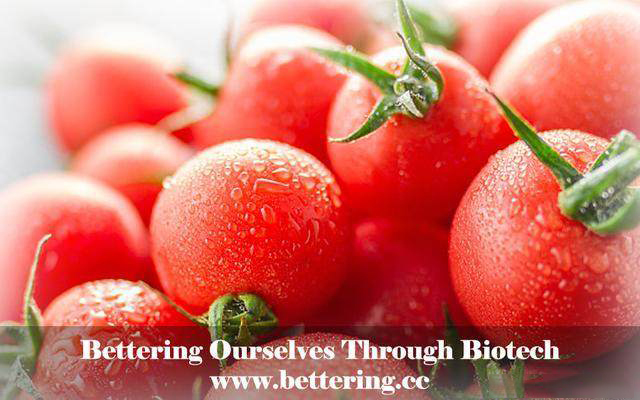
Natural pigments refer to pigments directly from animal and plant tissues. Except for Garcinia cambogia, which is highly toxic and not used, the rest are generally harmless to human health. The natural food pigments that are allowed to be used in my country and have national standards are: curcumin, shellac pigment, safflower, sodium copper chlorophyll, capsanthin, red yeast rice and β-carotene, etc.
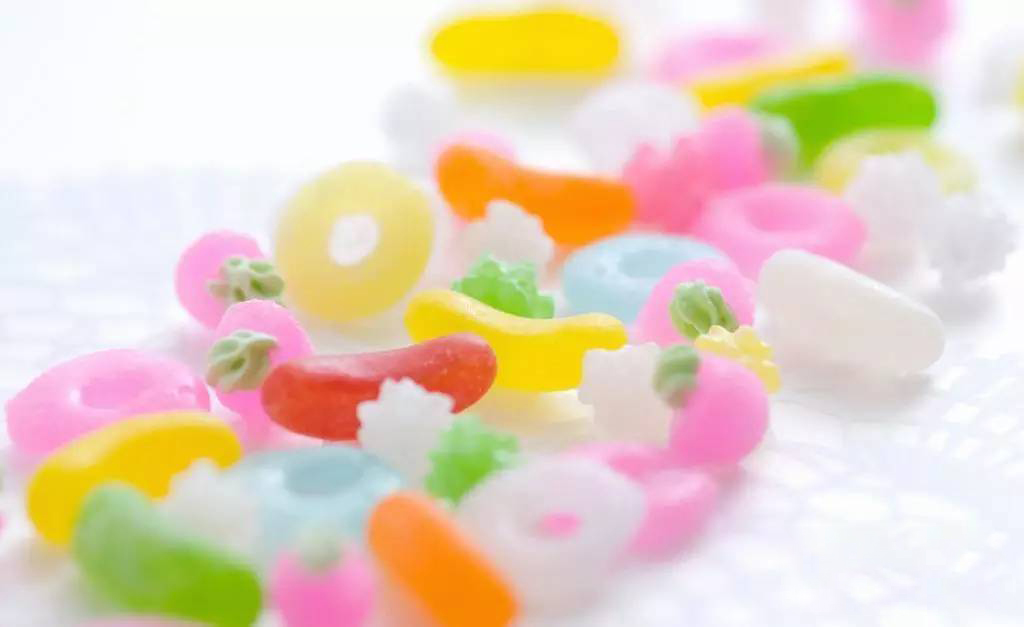
Synthetic pigments mainly include carmine and its aluminum lakes, amaranth and its aluminum lakes, tartrazine and its aluminum lakes, sunset yellow and its aluminum lakes, brilliant blue and its aluminum lakes, and new red. And its aluminum lake and so on.
Are artificial and natural colors harmful to the human body?
Many people will have this question, are pigments harmful to us? Some people even say that eating too much can cause ADHD in children. This conclusion is based on a set of experiments conducted by some foreign institutions, but whether this experiment is correct and whether it is finally confirmed has not been implemented, so such data does not explain the problem. In fact, all countries in the world have restrictions on the use and management of food colorings. From the current standard, as long as the standard use is met, both artificial and natural colorings are safe.
When we say that pigments are harmful, we ignore the food itself. Foods that require coloring are mostly candy, puffed foods, and some high-calorie foods. And such food itself has health risks, and eating too much is a health burden. Therefore, when we are worried about the harm of pigments, we should control our intake of these foods that have hidden dangers to health, reduce the frequency of eating deeply processed foods, and help children resist the temptation of various snacks. This is what we need to establish correctly. diet view.
Which is better, natural coloring or synthetic coloring
In our use, there are many more types of natural pigments than synthetic pigments, and the nutritional and antioxidant effects of natural pigments have also been recognized in food, such as carotene in carrots, lutein in marigold, and lutein in grapes. The polyphenols have good health care effects on cardiovascular and cerebrovascular, antioxidant and eyes. But that doesn't mean that natural pigments are better than synthetic ones. Because this is also based on the food itself, what kind of food to add what kind of coloring, how much coloring, this needs to be decided according to laws and regulations.
Colorants added in accordance with laws and regulations are safe. But we must also be careful not to be deceived by the color of food, resist temptation, learn to control ourselves, and eat on time and in quantity. No matter how good the food is, the excess is also a burden.
Key words:
Contact Information
4/F, Building 3 (2# Factory Building), 247 Dingwan Road 6, Sanzao Town, Jinwan District, Zhuhai City
412331965
Focus on us
Welcome to our official public number.
Online message
SAF Coolest v1.3.1.2 设置面板 ZBRSD-ZMRF-AASVE-AAD
无数据提示
Sorry, the current column is being updated, please look forward to it!
You can view other columns or returnHome Page